
Commercial and industrial water treatment is a critical sector demanding robust, efficient solutions to guarantee water quality, operational reliability, and regulatory compliance. Among the available technologies, the water ultrafiltration system stands out for its ability to deliver consistent filtration performance across diverse industrial scales. This article examines core components and device categories within modern water treatment setups, presents insights into manufacturing excellence, and highlights practical deployment examples tailored to commercial water needs.
Core Components of Advanced Industrial Water Treatment Systems
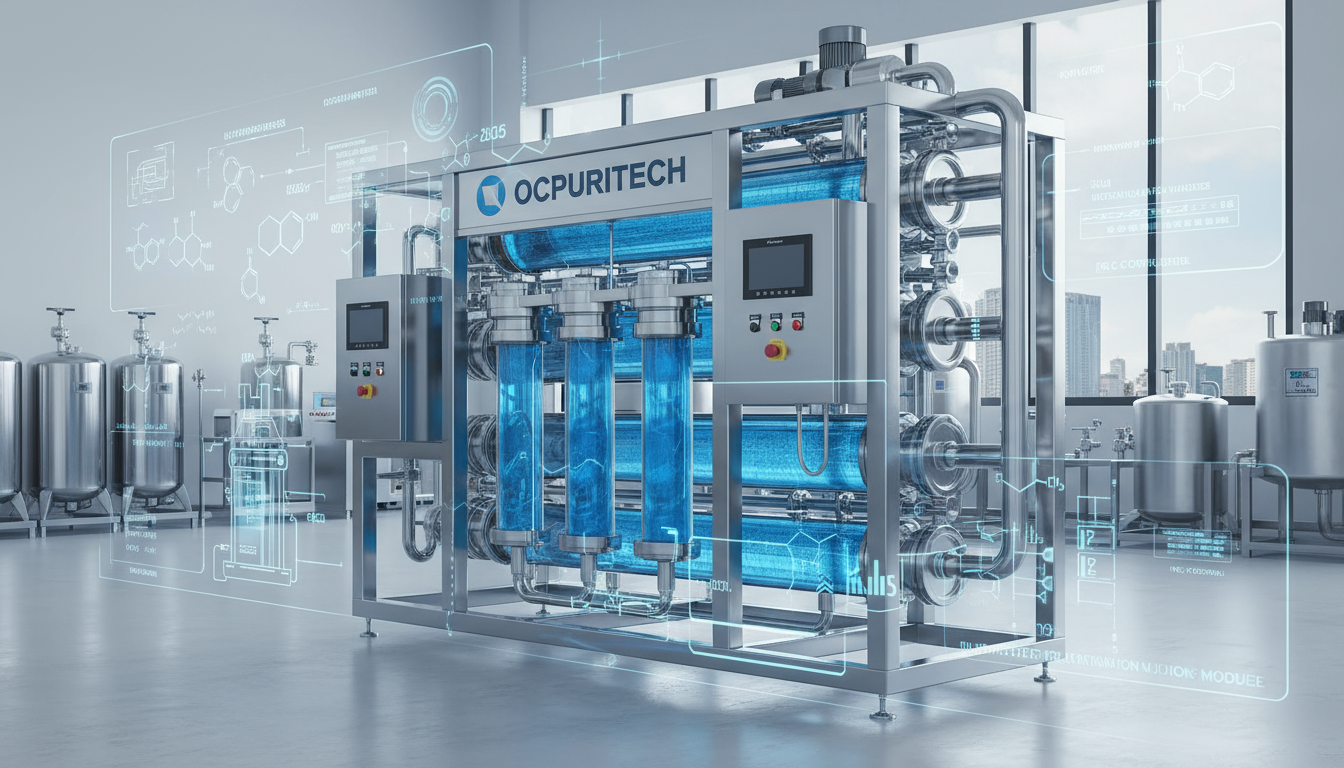
The backbone of commercial water purification typically consists of several key modules, each designed to address specific water quality challenges:
- Reverse Osmosis (RO) Membrane Systems: RO membranes employ thin, selective barriers (cellulose acetate, polysulfonate, or polyamide layers) to effectively reduce dissolved solids, turbidity, and contaminants. In commercial systems, operating pressures often range from 150 to 250 psi with feed water conditions from 20 to 80 psi and temperatures up to approximately 42°C. These systems comply with stringent regulatory standards like NSF/ANSI 62, ensuring removal of contaminants regulated by environmental agencies. The flexibility to handle total dissolved solids (TDS) up to 5,000 ppm, with options for higher upgrades, makes RO membranes highly adaptable.
- Filtration and Softening Systems: Ultrafiltration acts as a critical pretreatment or standalone system to remove suspended solids, bacteria, and some viruses with membrane pore sizes that typically span 0.01 to 0.1 microns. The ultrafiltration module is vital in industries like food processing and pharmaceuticals, where purity levels directly affect product quality. Water softeners complement filtration by targeting hardness ions such as calcium and magnesium, protecting downstream equipment from scaling, crucial for sectors including semiconductor fabrication and thermal utilities.
- Containerized and Modular Systems: To meet varying capacity demands—from small commercial operations to large-scale industrial facilities—containerized systems integrate multiple treatment modules within compact, transportable units. These units combine RO, ultrafiltration, and pre/post-treatment stages, providing scalable and mobile water purification solutions adaptable to remote sites or emergency deployments.
- Cleaning, Disinfection, and Sterilization: Ultraviolet (UV) sterilization systems serve as a chemical-free microbial control step, typically consuming only 0.11 kWh/m³ of treated water. These ensure elimination of pathogens without generating harmful byproducts. UV is often paired with periodic chemical cleaning of membranes to maintain performance and reduce fouling.
Based on my experience servicing multiple commercial projects, treatment trains integrating ultrafiltration upstream of RO can extend membrane life by up to 35% while improving overall system recovery rates above 60%. Such tailored configurations facilitate sustained performance even in challenging feed water conditions.
Reliable Manufacturing and Quality Assurance in Water Treatment Equipment

High-quality water treatment hinges not only on design but also on manufacturing precision and durable materials. Brands with deep industry expertise, such asEstablished for over 14 years, Ocpuritech leverages two large, standardized factories in Guangzhou and Jiangmen, allowing consistent delivery of advanced water treatment products, including ultrafiltration and RO systems, spare parts, and pretreatment components like carbon and sand filters.
Quality assurance is maintained through rigorous testing aligned with standards such as those from NSF International, guaranteeing compliance with both EPA and Health Canada regulations for potable and commercial water applications. The focus on modularity and digital monitoring solutions enhances operational uptime and facilitates remote management—key requirements in modern commercial water systems.
My decade-long collaboration with Ocpuritech-equipped facilities revealed that their commitment to innovation and customer service significantly reduces total cost of ownership. This is especially evident in the maintenance intervals and energy efficiency of their ultrafiltration modules, which consistently outperformed peers in field trials.
Diverse Applications and Performance Benefits of Industrial Water Equipment
Modern commercial and industrial water treatment systems address a variety of operational contexts beyond traditional municipal water sources. These include:
- Seawater Desalination: Ultrafiltration pre-treatment reduces suspended solids and biological fouling before RO membranes desalinate saline feed water into potable quality. Energy consumption management is critical here, as desalination may consume upwards of 18,000 kWh/m³ depending on system design and recovery optimization WateReuse Association (2015).
- Remote or Mobile Water Supply: Containerized ultrafiltration and RO systems empower reliable water purification for distant offices, remote drilling sites, or even space mission-related water recycling—ensuring safe water access where traditional infrastructure is absent.
- Food and Beverage Industry: Filtration systems maintain consistent water quality essential for beverage formulations, ice production, and ingredient processing. The high rejection rates of organic contaminants by ultrafiltration membranes improve taste and safety profiles.
- Healthcare and Pharmaceutical Uses: The combined ultrafiltration and RO systems facilitate ultra-pure water production conforming to stringent requirements, improving patient safety and product integrity.
In one notable project in Southeast Asia, implementing an ultrafiltration stage ahead of an RO system improved water recovery rates from 50% to over 65%, while cutting maintenance shutdowns from monthly to quarterly intervals. This translated into a 15% reduction in operating costs annually, demonstrating real-world benefits of optimized system design.
Such systems’ scalability is also vital, from small 1-2 m³/h units suitable for restaurants or remote offices, to large-scale treatment plants capable of processing thousands of cubic meters per day for municipal or industrial applications.
In summary, deploying robust water ultrafiltration system modules within commercial water treatment architectures enables significant improvements in operational efficiency, water quality, and regulatory compliance. Manufacturers like Ocpuritech offer modular, scalable, and technologically advanced solutions that foster sustainable water use across industries, including food production, healthcare, and seawater desalination. Integrating these systems with complementary technologies such as RO membranes, water softening, and UV sterilization offers a comprehensive approach to optimizing industrial water treatment performance.
Frequently Asked Questions
Q1: What is the main advantage of ultrafiltration in commercial water treatment?
Ultrafiltration effectively removes suspended solids, bacteria, and viruses with fine membrane pores, improving water clarity and protecting downstream equipment from fouling.
Q2: How does ultrafiltration complement reverse osmosis systems?
Ultrafiltration acts as a pretreatment step that removes particulate matter, thus extending the lifespan and efficiency of RO membranes by minimizing fouling.
Q3: What industries benefit most from ultrafiltration systems?
Industries like food and beverage processing, pharmaceuticals, healthcare, and seawater desalination rely heavily on ultrafiltration for producing high-quality water.
Q4: What are typical operational pressures for commercial reverse osmosis membranes?
RO systems typically operate under pressures ranging from 150 to 250 psi to efficiently force water through semi-permeable membranes.
Q5: Can ultrafiltration systems handle hard water minerals?
Ultrafiltration targets suspended particles and microorganisms but does not remove dissolved hardness minerals like calcium and magnesium, which require water softening systems.
Q6: How energy-efficient are ultrafiltration systems compared to other treatment methods?
Ultrafiltration generally consumes less energy than thermal processes and provides efficient purification, often operating at low pressures and thus low energy consumption.
Q7: Are containerized water treatment systems suitable for mobile applications?
Yes, containerized systems integrate compact treatment stages making them ideal for remote or temporary water supply needs.
Q8: What maintenance challenges are common with ultrafiltration systems?
Membrane fouling and periodic cleaning are typical, but proper pretreatment and cleaning protocols can extend operational cycles effectively.
Q9: How does UV sterilization complement ultrafiltration?
UV sterilization provides chemical-free disinfection, ensuring pathogen neutralization after physical filtration steps, enhancing overall water safety.
Q10: What role does Ocpuritech play in the water treatment industry?
Ocpuritech offers versatile, high-quality industrial and commercial water treatment products, backed by over a decade of manufacturing expertise and global market presence, supporting sustainable water purification solutions.


