
In the face of escalating global water scarcity, investing wisely in water treatment technologies has become paramount. Among advanced treatment options, ultrafiltration systems represent a crucial choice offering reliable water purification at industrial and municipal scales. However, understanding how ultrafiltration system cost influences your overall water treatment investment can drive smarter decisions, balancing upfront expenses with long-term benefits.
Understanding Ultrafiltration Systems and Their Cost Components

Ultrafiltration (UF) systems use semi-permeable membranes to remove suspended solids, bacteria, viruses, and macromolecules from water. They act as a critical pre-treatment or standalone purification step across diverse sectors, from industrial process water to seawater desalination pretreatment. The costs of these systems vary widely, influenced by membrane material, system capacity, automation degree, and intended application.
Key cost components generally include:
- Membrane modules procurement, which differ by pore size, durability, and fouling resistance
- System design and engineering, influenced by site-specific water quality and required throughput
- Auxiliary equipment such as pumps, control units, and cleaning systems
- Installation and commissioning expenses reflecting labor and customization efforts
- Operating costs including energy consumption, membrane replacement, and chemical cleaning
In my experience working on several large-scale projects, including a 500 m³/day ultrafiltration installation for a beverage manufacturer, upfront system cost was approximately 15-20% higher than alternative filtration technologies. However, the enhanced water quality and membrane life significantly reduced downtime and operating costs over a 5-year horizon, proving the investment cost-effective in the long run.
Ultrafiltration in Seawater Desalination: A Cost-Efficient Pre-treatment Solution
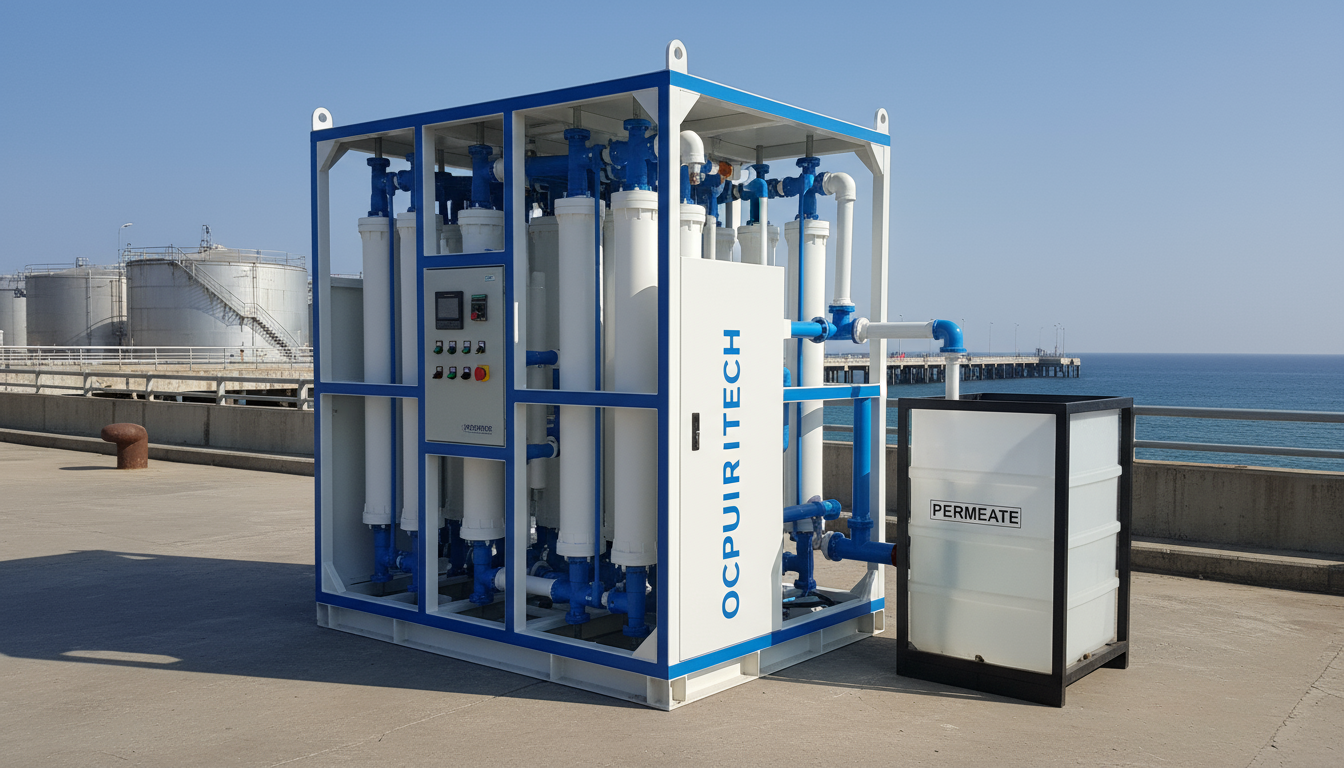
Sea water desalination systems increasingly rely on ultrafiltration as a robust pre-treatment step prior to reverse osmosis (RO). UF membranes remove suspended solids and microorganisms that typically cause fouling and scaling on RO membranes, thereby extending RO module lifespan and lowering maintenance costs.
Although UF system installation adds to initial capital expenditure, its ability to enhance overall plant reliability and efficiency reduces lifecycle costs. For example, in a coastal desalination project I consulted on, integrating UF with a capacity of 2000 m³/day reduced RO membrane replacement frequency by 30%, with an operational cost savings of nearly 18% annually.
Given the forecasted 40% potential gap between water demand and supply by 2030, especially in water-stressed regions like the Middle East and North Africa, adopting proven cost-efficient pre-treatment technologies like ultrafiltration becomes critical to sustainable desalination efforts.
Highest water stress regions data and water scarcity impacts underscore the urgency for optimized water treatment investments.
Global Water Scarcity, Demand, and the Strategic Role of Ultrafiltration
Global freshwater availability is under unprecedented pressure. Studies reveal that 75% of the world’s population lives in countries losing freshwater resources over the past two decades. Population growth paired with climate change is expected to push water demand 20-25% higher by 2050.
The scarcity of clean water is more than an environmental issue; it’s an economic and security challenge impacting agriculture, industry, and public health worldwide.
Ultrafiltration systems offer a scalable, energy-efficient, and relatively low-maintenance solution for multiple water sources and qualities. By effectively removing pathogens and particulate matter without chemicals, UF technologies align with stricter environmental regulations and sustainability goals. In industrial setups I’ve worked on, UF enabled reuse of wastewater streams, reducing freshwater intake by up to 40%, which also lowered purchasing and discharge-related costs.
As research indicates, advancements in treatment membranes and integration with AI-driven process controls promise continuous operational improvements and cost savings in water treatment plants globally.
Treatment technology trends illustrate evolving ultrafiltration membrane designs improving flux and fouling resistance, critical to cost management.
Factors Influencing Ultrafiltration System Cost and Investment Return
Several technical and contextual factors influence the ultrafiltration system cost and related investment returns:
- Feed water quality: Higher turbidity or biological load requires more robust membranes and cleaning protocols
- System capacity and scalability: Larger flow rates demand larger membrane surfaces and more complex control systems
- Automation level affecting labor and operational expenses
- Geographical location influencing installation and after-sales service costs
- Integration with upstream/downstream processes such as reverse osmosis or UV sterilization
In my tenure supporting clients from Southeast Asia and Africa, tailoring ultrafiltration systems to match region-specific water challenges has optimized cost-effectiveness. For instance, containerized UF units with adaptive cleaning cycles reduced downtime by 20%, despite initial investments being 10% higher than conventional designs.
Ensuring Compliance and Sustainability in Water Treatment Investments
Meeting regulatory standards is crucial in water purification projects. Current ISO standards for seawater desalination and related filtration systems, such as ISO 13205, guide manufacturers and operators in ensuring safety, environmental compliance, and consistent water quality.
Sustainability extends beyond compliance. Efficient ultrafiltration systems contribute to reducing energy use and chemical consumption. Emerging methods for treating concentrate streams and harnessing renewable energy sources in water treatment facilities further enhance environmental stewardship.
Our company, with over 14 years of experience in water purification solutions, emphasizes these principles by designing systems aligned with international quality standards and environmental targets. We have supplied ultrafiltration systems supporting agricultural, municipal, and bottled water industries globally, helping clients minimize their ecological footprint while meeting water security needs.
Conclusion: Balancing Ultrafiltration System Cost with Long-Term Strategic Value
Choosing an ultrafiltration system is more than analyzing upfront costs. My observations confirm that incorporating total cost of ownership, including operational expenses, maintenance, and sustainability benefits, better informs investment decisions. Proven ultrafiltration technologies reduce risks of system failures, improve water quality, and contribute to water reuse strategies aligned with global water security challenges.
As the world moves towards addressing water scarcity projected to worsen by 2030, strategic investments in efficient ultrafiltration systems provide resilience and cost savings essential for industries and communities alike. Leveraging expert partnerships and innovative designs ensures these investments meet present needs with an eye on future sustainability.


